Restoring Confidence: Cranial Prosthesis for Cancer Patients

Cancer can be a devastating diagnosis, not only for the body but also for the mind and spirit. One of the most visible effects of certain cancer treatments, particularly chemotherapy and radiation, is hair loss. This loss can significantly impact a patient’s self-esteem and confidence. Fortunately, cranial prostheses offer a solution that can help restore a sense of normalcy and dignity during a challenging time.
Understanding Cranial Prosthesis
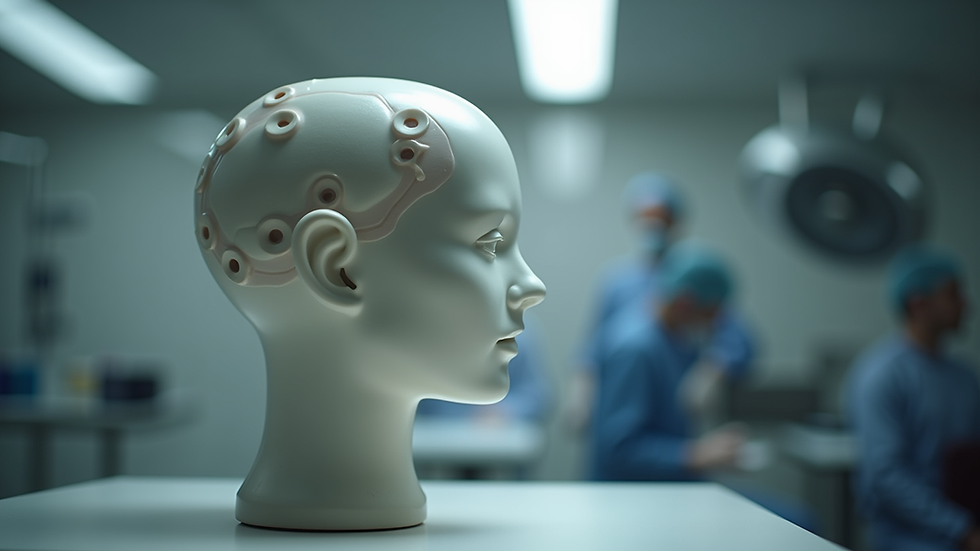
Cranial prostheses, often referred to as medical wigs, are specially designed head coverings that provide a natural appearance for individuals experiencing hair loss due to medical conditions. Unlike traditional wigs, cranial prostheses are tailored to fit securely and comfortably on the scalp, accommodating any medical needs.
What Makes Cranial Prostheses Different?
Medical Grade Materials: Cranial prostheses are made from high-quality materials that mimic the look and feel of natural hair. This ensures that they are not only aesthetically pleasing but also comfortable for long-term wear.
Custom Fit: Each prosthesis is custom-made to fit the individual’s head shape and size. This personalized approach ensures that the prosthesis stays in place, even during physical activities.
Breathability: Many cranial prostheses are designed with ventilation in mind, allowing the scalp to breathe, which is particularly important for patients undergoing treatment.
Variety of Styles: Patients can choose from a wide range of styles, colors, and lengths, allowing them to express their personality and maintain their identity during treatment.
The Emotional Impact of Hair Loss
The psychological effects of hair loss can be profound. For many, hair is a significant part of their identity. Losing it can lead to feelings of vulnerability, embarrassment, and even depression. Here are some common emotional responses to hair loss:
Loss of Identity: Hair often contributes to how individuals perceive themselves. Losing it can lead to a feeling of losing a part of one’s identity.
Social Withdrawal: Many patients may feel self-conscious about their appearance and may withdraw from social situations, leading to isolation.
Anxiety and Depression: The stress of dealing with cancer, combined with the visible effects of treatment, can exacerbate feelings of anxiety and depression.
How Cranial Prostheses Help
Cranial prostheses can play a vital role in helping patients regain their confidence. Here’s how:
Restoration of Appearance: A well-fitted cranial prosthesis can restore a patient’s appearance, helping them feel more like themselves.
Boost in Confidence: Wearing a cranial prosthesis can help patients feel more confident in social situations, reducing feelings of self-consciousness.
Supportive Community: Many organizations and support groups focus on helping cancer patients find the right cranial prosthesis, providing a sense of community and shared experience.
Choosing the Right Cranial Prosthesis
Selecting the right cranial prosthesis is a personal journey. Here are some steps to consider:
Consultation with Professionals
Before making a decision, it’s essential to consult with professionals who specialize in cranial prostheses. They can provide valuable insights into the best options based on individual needs.
Consider Lifestyle and Preferences
When choosing a prosthesis, consider your lifestyle. Do you prefer a low-maintenance option, or are you willing to invest time in styling? Discuss these preferences with your consultant.
Try Before You Buy
Many providers allow patients to try on different styles and sizes before making a purchase. This step is crucial in ensuring comfort and satisfaction.
Financial Considerations
Cranial prostheses can be a significant investment. However, many insurance plans cover a portion of the costs. It’s advisable to check with your insurance provider to understand your coverage options.
Caring for Your Cranial Prosthesis
Proper care is essential to ensure the longevity of your cranial prosthesis. Here are some tips:
Gentle Washing: Use mild, sulfate-free shampoos to clean your prosthesis. Avoid harsh chemicals that can damage the fibers.
Storage: Store your prosthesis on a wig stand to maintain its shape. Avoid placing it in direct sunlight to prevent fading.
Regular Maintenance: Schedule regular maintenance appointments with your provider to keep your prosthesis looking its best.
Real-Life Stories: The Impact of Cranial Prostheses
Case Study 1: Sarah’s Journey
Sarah, a 34-year-old mother of two, was diagnosed with breast cancer. The chemotherapy treatments led to significant hair loss, which deeply affected her self-esteem. After consulting with a specialist, she chose a cranial prosthesis that matched her natural hair color and style. The transformation was remarkable. Sarah reported feeling more confident and was able to engage more with her children and friends.
Case Study 2: Mark’s Experience
Mark, a 45-year-old man undergoing treatment for lymphoma, faced similar challenges. He felt uncomfortable in social settings due to his hair loss. After receiving a cranial prosthesis, he found that he could return to his regular activities without feeling self-conscious. Mark expressed gratitude for the support he received from his family and the community, which helped him navigate his journey.
Support Resources for Patients
Several organizations provide resources and support for cancer patients dealing with hair loss. Here are a few:
Look Good Feel Better: This program offers workshops that teach beauty techniques to help cancer patients manage the appearance-related side effects of treatment.
American Cancer Society: They provide information on cranial prostheses and can connect patients with local resources.
Wigs for Kids: This organization helps children with hair loss find suitable wigs and cranial prostheses.
Conclusion
Cranial prostheses offer more than just a solution for hair loss; they provide a pathway to restoring confidence and self-identity for cancer patients. By understanding the options available and seeking support, individuals can navigate their journey with dignity and grace. If you or someone you know is facing hair loss due to cancer treatment, consider exploring the benefits of cranial prostheses. It could be a significant step toward reclaiming confidence and embracing life during a challenging time.


Comments